Kassidy sold everything she owned in Minnesota, flew to Buenos Aires, and within four months was coaching rugby in Belgrano and teaching cheerleading to Argentine kids in English. She's not a digital nomad with a USD salary — she's building local income through sports, learning Spanish through cringe-worthy Instagram posts, and navigating porteño dating with a kiosk-beer test that one guy failed spectacularly. If you're a young professional wondering whether you can actually build a life in Buenos Aires without a remote tech job, her story is your answer.
Watch the full conversation here: Kassidy on the Gringos in Buenos Aires Podcast (published August 20, 2026).
The Burnout-to-Buenos Aires Pipeline
Kassidy graduated as a registered nurse in 2020 and walked straight into COVID critical care in Albuquerque, New Mexico. She later transitioned to premature baby care, but the cumulative weight of American healthcare broke something. "I was miserable," she told host Paul Perry. "I'm selling everything that I own... I don't really know what the future has in store for me, but I trust myself."
Before landing in Buenos Aires permanently, she backpacked Argentina for six weeks — Buenos Aires, Ushuaia, Chilean Patagonia, El Chaltén, El Calafate, Cafayate, Jujuy, Purmamarca, Iguazú. The trip confirmed what she'd suspected: this was where she wanted to be. By April 2026, she'd made the move.
This isn't the typical expat story you hear in Palermo co-working spaces. It's a rarer path — one that asks: Can you downshift from a high-stress US career and build something sustainable in Argentina without a remote salary? As of August 2026, Kassidy is four months in and candid about what's working and what's still a question mark.
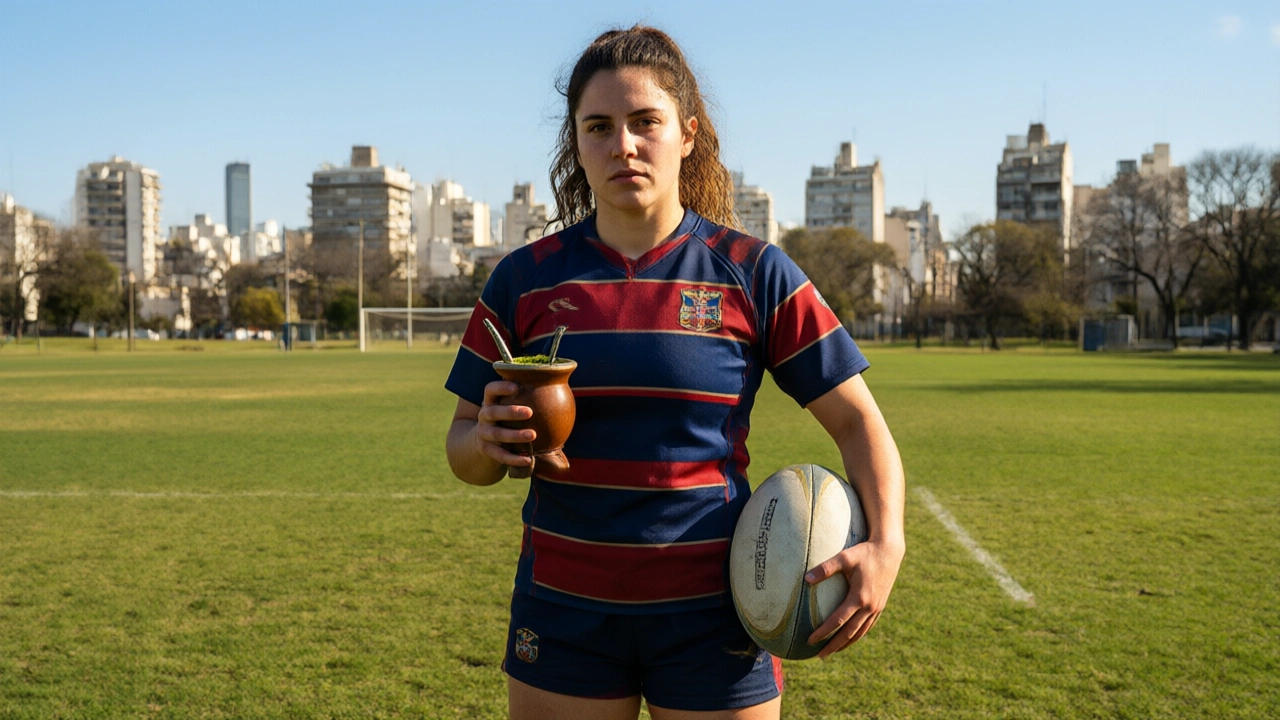
Rugby as Expat Infrastructure: How She Found Her Team
Kassidy has played rugby everywhere she's lived — and she's lived in a lot of places. Her strategy is disarmingly simple: "Every place that I've lived, I've always played rugby... I always know that there are rugby teammates waiting for me whether or not I know them yet." In Singapore, she found a team via Facebook before her plane landed. In Buenos Aires, she replicated the approach and connected with Ruda Macho Rugby Club in Belgrano.
Ruda Macho is a newer club — roughly two to three years old as of mid-2026 — and at the time of recording, it didn't have a women's side yet. Kassidy was actively recruiting. That's worth noting if you're a woman looking to play: the landscape is still developing, and you may need to be the person who helps build it. Women's rugby in Argentina remains largely amateur even at so-called "professional" levels. Kassidy had been offered a practice squad spot in Minnesota with no pay before choosing Argentina — so the financial reality isn't dramatically different, but the community integration is deeper.
If you're looking for a team, Facebook groups and Instagram DMs to clubs are your best starting point. Argentine rugby culture emphasizes el tercer tiempo — "the third half" — where both teams party together after the match. For Kassidy, this meant an asado with her new teammates that "got so out of hand... it took me three days to recover from that." Consider it your initiation.
How She Actually Makes Money (The Non-Nomad Path)
This is the part most expat guides skip. Kassidy's current income comes from two streams: coaching rugby and teaching competitive cheerleading in English to Argentine children. Neither is a remote USD salary. Neither comes with a clear career ladder. Both rely on skills she already had and relationships she built on the ground.
The podcast didn't disclose specific rates, and Kassidy is still in the early months — the "figuring it out" phase. If you're considering a similar path, expect to piece together income from multiple local sources rather than landing one clean expat package. This is the tradeoff: lower financial certainty in exchange for work that's physically grounded, socially integrated, and far removed from the burnout she fled.
For context on Argentina's broader economic landscape under President Javier Milei, check our June 2026 economic guide. The reforms are reshaping what's possible for expats earning in pesos versus dollars.
Mate Is Not Just a Drink — It's a Tree, a Museum, and a Grandmother's Wart Remedy
Kassidy visited the mate museum in Buenos Aires and came back with a genuine appreciation for what's actually in the gourd. Yerba mate comes from the Ilex paraguariensis tree, cultivated primarily in a narrow climate-specific band of Misiones province. The trees are kept to about a meter to a meter and a half tall for harvesting — "a hardworking part of Argentina making mate for all Argentina," as she put it.
The museum offers tastings and preparation demonstrations, including the traditional technique of building a "mountain" of yerba and pouring water at precise temperatures. Mate contains caffeine — enough to replace coffee for many Argentines — and the ritual of sharing it is as important as the drink itself.
Paul Perry contributed his own mate lore: as a teenager, he found his Paraguayan grandmother's mate herbs, assumed they were marijuana, and rolled them up with friends. "We couldn't smoke much of it because it was just so harsh." His grandmother also used mate sticks to burn off warts. This is the kind of multi-generational texture you absorb when you stay in Argentina long enough.
For a deeper dive into the health and etiquette dimensions, see our guide: Yerba Mate vs. Coffee: Health Benefits, Social Etiquette, and Energy Guide.
Buenos Aires Nightlife: Clubs at 2 a.m., Steak at Sunrise
If you're coming from the US, recalibrate your clock. Buenos Aires nightlife doesn't start until most American bars are closing. Clubs fill around 2 a.m. and run until 6 or 7 a.m. Post-club steak restaurants are a cultural norm — you'll see groups ordering bife de chorizo while the sun comes up.
Kassidy experienced this firsthand, and Paul Perry — 28 years deep in Buenos Aires — confirmed it as standard operating procedure. The adjustment is real, especially if you're also trying to coach rugby the next morning. Plan your recovery days accordingly.
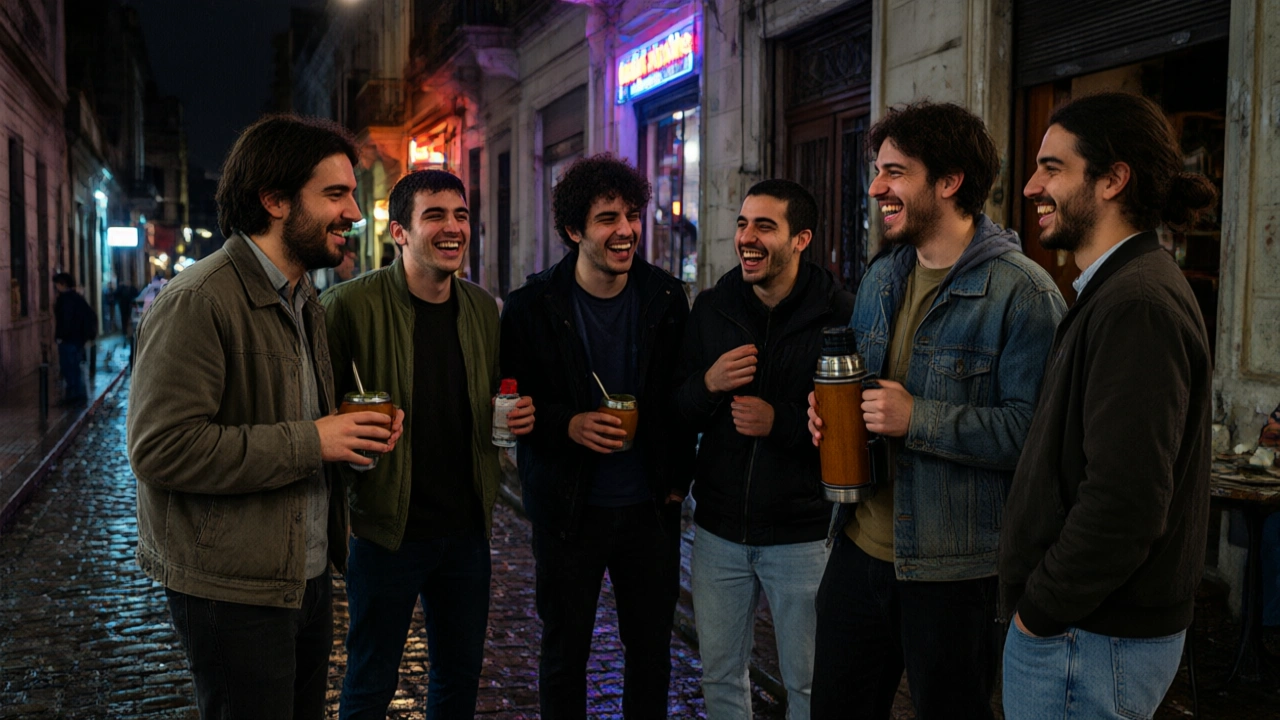
Dating, Chamuyo, and the Kiosk Beer Test
Chamuyo is Argentine slang for flirtatious smooth-talking — the kind of verbal charm that can feel overwhelming if you're not used to it. Paul Perry met his wife using this technique 28 years ago and still speaks of it with a certain pride.
Kassidy's experience with Argentine men was mixed. Her assessment: they're more "forward and direct" than American men, which can be refreshing or exhausting depending on the delivery. She deployed what we'll call the kiosk beer test: on a date, the guy suggested they split a beer at a corner kiosk, claiming "we split everything" because she was new. Kassidy's internal response: "I will pay for my half, but come on, brother." She deployed some chamuyo of her own — "I would love to" — then ghosted.
Her broader advice for single women: don't do anything you're uncomfortable with, trust your instincts, and understand that directness cuts both ways. For more on navigating the dating scene, see our episode with another expat: Buenos Aires for the Single Professional: Basketball, Dating, and the Real Expat Experience.
World Cup 2026 at El Obelisco: What It Actually Felt Like
Argentina reached the final of World Cup 2026, and Kassidy was at El Obelisco for the matches. Her description: "People climbing on everything... even when we lost that last game, everyone still coming together and chanting... I don't think there's anything in the States that compares to that. Not even the Super Bowl."
The collective energy — win or lose — is something that catches newcomers off guard. For more on what the tournament felt like on the ground, read our World Cup 2026 expat guide.
The Spanish Learning Curve: Cringe Tax Included
Kassidy is still learning Spanish and is refreshingly honest about the process. She watches "Love Is Blind Argentina" for immersion and posts on social media despite what she calls the "cringe tax": "I post and I cringe a little bit... you have to kind of be willing to make an ass out of yourself."
She got roasted for mistranslating a phrase involving "tocarte la teta izquierda" — the kind of mistake that's mortifying in the moment and hilarious six months later. Her point: if you wait until your Spanish is perfect, you'll never speak. The expats who integrate fastest are the ones willing to be bad at it publicly.
For practical language tools, start with our Argentine Slang Guide: How to Speak Like a Porteño.
Practical Realities: Visas, Money, and What You Need to Know
Kassidy's visa status and specific costs weren't discussed in the podcast, but here's what you need to know as of August 2026:
- Tourist stays: US citizens typically receive 90 days on arrival. Extensions are possible through Migraciones or by exiting and re-entering the country, but policy has tightened since 2024. Confirm current rules at migraciones.gob.ar.
- Exchange rate: Any cost estimates must use the current dólar blue (informal) rate. Check dolarhoy.com or Ámbito Financiero before making financial decisions. Rates shift fast — what's true today may not be true next week.
- Income sustainability: Kassidy's coaching/cheerleading work is a real model, but no figures were provided. If you're considering a similar path, budget conservatively and have a financial buffer for the first six months.
Disclaimer: This is not immigration or legal advice. Visa rules change; always confirm with official sources. Exchange rates and prices are volatile — verify before acting.
What You Should Actually Do Next
- Watch the full episode: Kassidy on the Gringos in Buenos Aires Podcast — 45 minutes of unfiltered expat reality.
- Find your sport: If rugby isn't your thing, Buenos Aires has clubs for football, basketball, field hockey, and more. Facebook groups and Instagram are your entry points.
- Check your visa: Visit migraciones.gob.ar and understand your options before you arrive.
- Bookmark the blue dollar: dolarhoy.com — check it before any major exchange.
FAQ
Can I really move to Buenos Aires without a remote job?
Kassidy's experience shows it's possible but requires hustle: she pieces together income from coaching rugby and teaching cheerleading. You'll likely need multiple local income streams and a financial cushion for the first several months. The tradeoff is deeper community integration and work that's physically and socially grounded, far from the burnout cycles of US healthcare or corporate jobs.
How do I find a sports team as an expat in Buenos Aires?
Facebook groups and direct Instagram messages to clubs are the most effective approach. Kassidy found Ruda Macho Rugby Club in Belgrano before she arrived by reaching out online. Argentine sports culture emphasizes post-game socializing (el tercer tiempo), so expect to build relationships quickly if you show up consistently. Women's rugby is still developing — you may need to help recruit and build a side.
What's the dating culture like for single women in Buenos Aires?
Argentine men tend to be more forward and direct than American men, according to Kassidy's experience. Chamuyo — flirtatious smooth-talking — is a cultural art form, and learning to distinguish genuine interest from performance takes time. Her practical advice: don't do anything you're uncomfortable with, trust your instincts, and don't be surprised if a date suggests splitting a kiosk beer.
What's the deal with mate — is it just tea?
Mate is made from the Ilex paraguariensis tree, grown primarily in Misiones province, and contains caffeine. The traditional preparation involves building a "mountain" of yerba and pouring water at specific temperatures. There's a mate museum in Buenos Aires with tastings and demonstrations. Culturally, sharing mate is a ritual of connection — and as Paul Perry's grandmother demonstrated, the sticks can also remove warts.
How late does Buenos Aires nightlife actually go?
Clubs don't fill until around 2 a.m. and run until 6 or 7 a.m. Post-club steak restaurants are a cultural norm. If you're coming from the US, budget significant recovery time — especially if you have morning commitments like coaching rugby.
Is it safe for a solo woman to move to Buenos Aires?
Kassidy moved alone and has built community through rugby and coaching. Buenos Aires is a major city with the usual urban safety considerations. Her approach: trust your instincts, don't do anything you're uncomfortable with, and build your social network through structured activities like sports rather than relying solely on nightlife or dating apps.
Kassidy's experience reflects her specific circumstances as of August 2026. Individual results vary for expat employment, visa situations, and social integration. Rugby club details may have changed — contact Ruda Macho directly for current women's side status. Not immigration, legal, or financial advice.